
Green vs Red Laser Pointer: How Far Green, Red and Violet 5–500 mW Lasers Really Reach
Green or red, and how far will it go? We compare green, red and violet ACE lasers by day, at dusk and after dark, explain why the answer changes with the weather, and help you pick a colour.
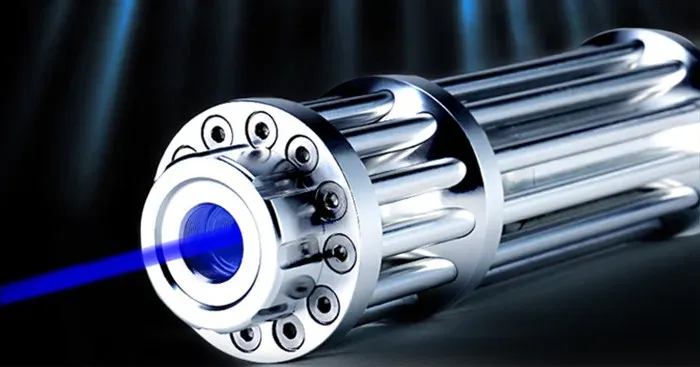
"Should I get green or red, and how far will it go?" If we had a euro for every time we have been asked that, we could retire. Technically, laser light carries on until something soaks it up or scatters it. The question people really mean is how far off they will still be able to see the spot or the line, and the honest answer depends on output, colour and conditions. Below we put the three colours in our range head to head, share indicative numbers, and look at what shifts them, including the mist and drizzle that come with living in Ireland.
Spot or line: know what you are looking for
There are two quite different ways a laser shows up. The first is the spot, the patch of light where the beam lands on something: a field, a gable end, a tree trunk. When you are marking a target or moving birds, spot range is what counts. The second is the line through the air, which only appears because tiny droplets and dust bounce a fraction of the light towards you. You will only see that line around dusk or in darkness, and green shows it far better than any other colour. Stargazing guides rely on the line; nearly every outdoor job relies on the spot.
Output: more light in the spot
Turn up the output and the spot carries more light, so it stays visible against brighter backgrounds and at greater distances. Our pen-style lasers are rated 5–50 mW, the Pro series 50–500 mW. Stepping up from pen to Pro roughly doubles the visible distance, sometimes more, as the table shows. For more on what the numbers mean, see our article on milliwatts and laser classes.
Colour: the factor people underestimate
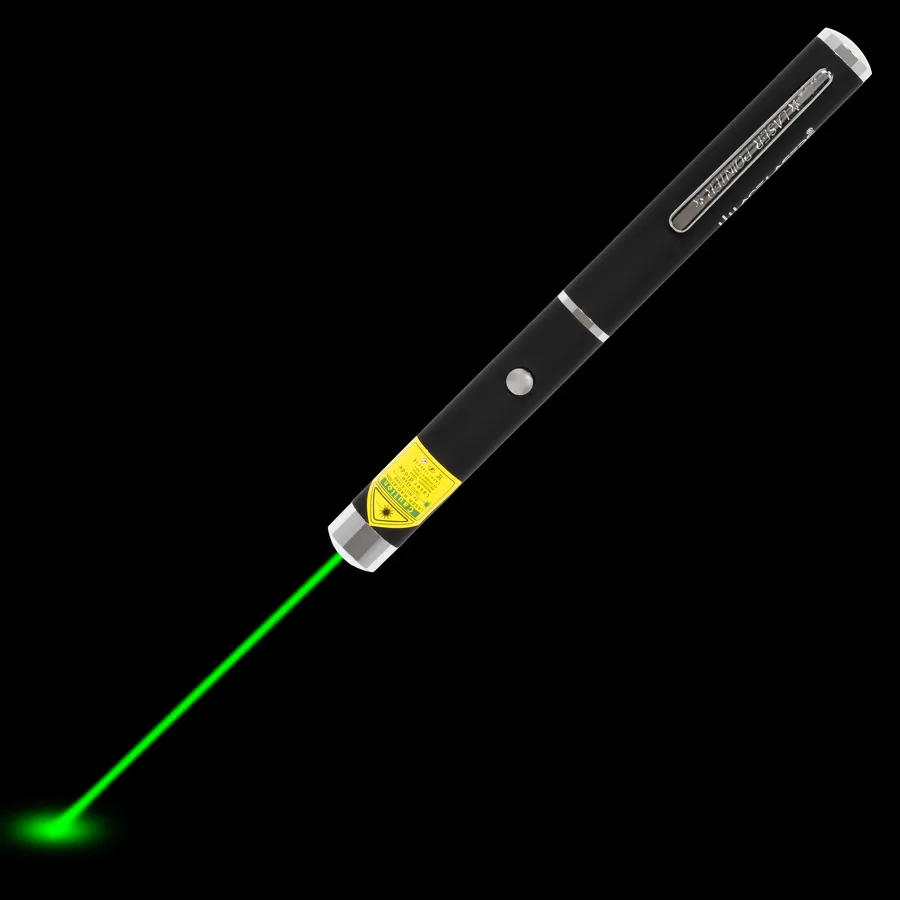
The eye's sensitivity peaks in the green-yellow part of the spectrum. Green lasers at 532 nm sit right beside that peak, which is why a green spot looks several times brighter than a red spot carrying the same power. Violet, at 405 nm, sits at the outer edge of what we can see and looks dimmest of the three. So across our whole range, green always goes furthest and violet the least, even at identical output. In any green vs red laser pointer comparison, green comes out ahead on distance.
The numbers, side by side
| ACE laser | Output | Daylight | Dusk | Darkness |
|---|---|---|---|---|
| Green Pro (AGP-1, AGP-2, AGP-3) | 50–500 mW | approx. 500 m (dot on objects) | approx. 2 km | Beam clearly visible, up to approx. 5 km |
| Green pen (AG-1, AG-2) | 5–50 mW | approx. 200 m | approx. 1 km | approx. 2 km, beam visible |
| Red Pro (ARP-1, ARP-2) | 50–500 mW | approx. 200 m | approx. 1 km | approx. 2 km |
| Red pen (AR-1) | 5–50 mW | approx. 100 m | approx. 500 m | approx. 1 km |
| VEX-1000 Pro (violet) | 500 mW | approx. 100 m | approx. 500 m | approx. 2 km |
| Violet Pro (AVP-1, AVP-2) | 50–500 mW | approx. 50 m | approx. 300 m | approx. 1 km |
| Violet pen (AV-1) | 5–50 mW | approx. 30 m | approx. 150 m | approx. 500 m |
Look closely and two surprises stand out. A green pen at 5–50 mW matches a red Pro at 50–500 mW. And our 500 mW violet laser is visible over a shorter distance than any green Pro. When distance is what you care about, decide the colour before you think about power.
Conditions: what the weather does
Ambient light
Contrast is everything. In bright sunshine even a strong spot is hard to make out far away, while the same spot at dusk can be seen several times further off. That is the reason bird work and long-distance signalling are at their best around sunrise and sunset.
Mist, drizzle and haze
Anyone who has stood in a field in Connacht knows how fast the air can fill with soft rain or mist. Droplets, haze and smoke all scatter light. Near you, that makes the line look thicker and brighter; far away, it eats into the spot. A crisp, dry night gives a fainter line but lets the spot travel further. A dark, damp night gives the most dramatic line of all, which is lovely for a star talk but less helpful when you are trying to mark a gate two kilometres away.
The surface
Pale, matt surfaces show a spot best: a whitewashed wall, dry grass, a road sign. Dark bog, wet soil and dense conifers swallow it. Shiny surfaces are a separate issue, because water, glass and metal send the beam off in unpredictable directions, so keep them out of the path for safety's sake.
Your night vision
Eyes that have had time to adjust to the dark pick up far fainter spots than eyes that have just been looking at a phone or at headlights. Give yourself a few minutes in the dark before judging range.
So which colour should you choose?
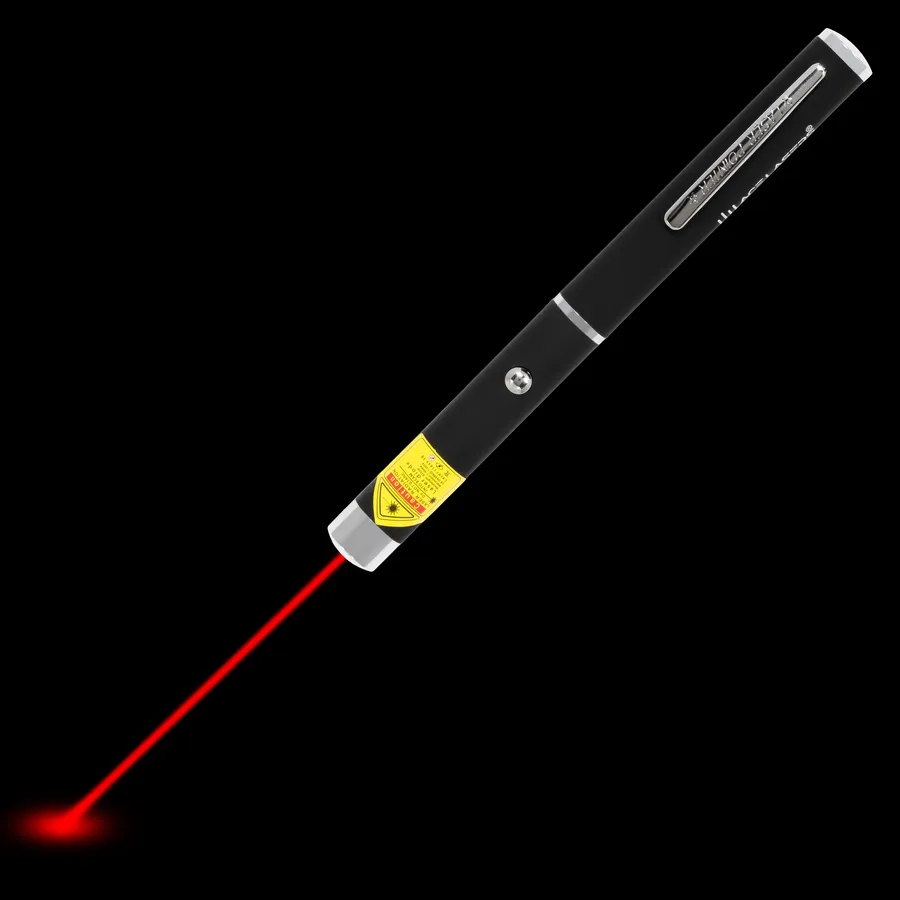
For most outdoor uses, choose green. It shows up further at the same output, it gives a visible line at night, and birds react to it well. Choose red when a red spot is specifically what you want, perhaps for contrast against green vegetation or as a second signal colour next to green. Choose violet for fluorescence and specialist tasks, not for distance.
- For the longest reach: our powerful green laser pointers
- For pointing at night with a visible line: the AG-1 green laser pointer pen
- For a red spot: the ARP-1 Pro or the AR-1
- For all three colours: the laser pointer pen set or the high power set
Seeing far is not the same as being safe far
If a spot is visible for kilometres, the beam can also cause harm over a long distance. Glare and temporary flash blindness can affect a motorist or a pilot well beyond the range where eye injury is likely, and that can be just as dangerous. Keep lasers away from people, animals' eyes, vehicles and aircraft, never send the beam skywards where aircraft may be, and always know what is behind your target. Use goggles rated for your wavelength and keep the laser away from children. Keeping within Irish law is the buyer's responsibility. Our laser safety guide covers the rest.
Bottom line
Range comes down to output, colour and conditions. Green reaches furthest, dusk and darkness stretch the distance a long way, and every figure here is a guide rather than a guarantee, never more so than in Irish weather. For task-by-task advice, visit our pages on long range laser pointers, the laser bird scarer and the astronomy laser pointer, or ask the laser finder for a suggestion.
More articles
Blog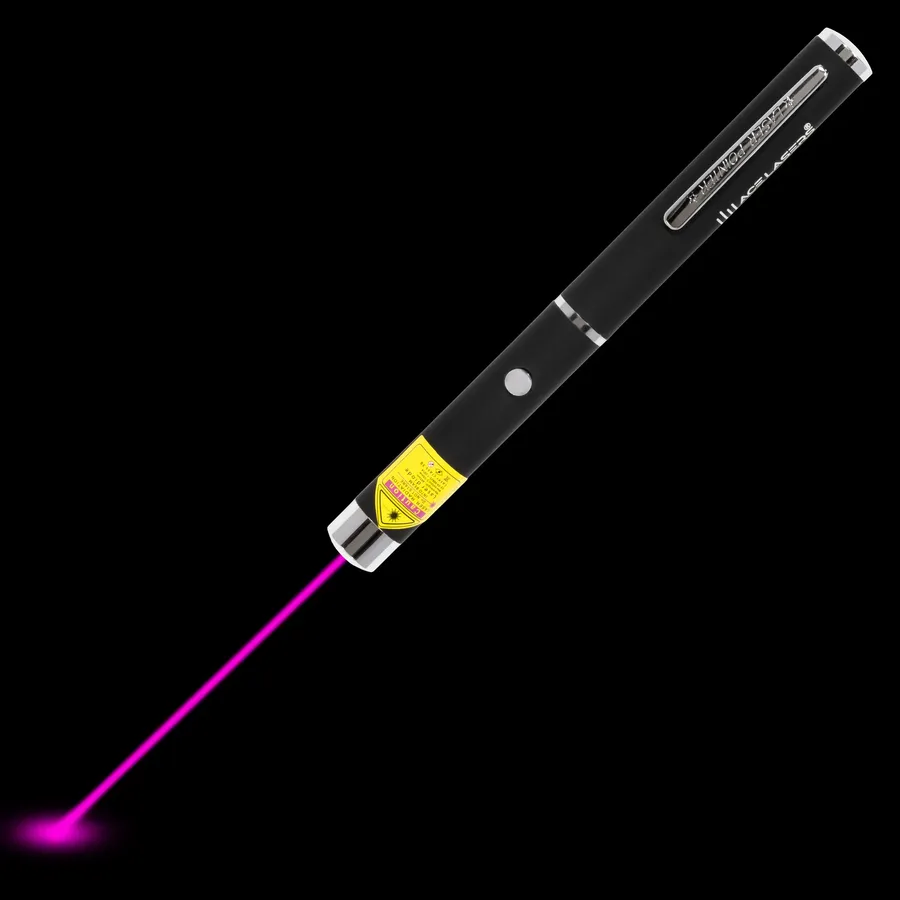
1000 mW Laser Pointers and the Hunt for the Most Powerful Laser: What Milliwatts and Classes Really Mean
Ads for 1000 mW or "1 watt" laser pointers are everywhere. Before you believe the number, find out what a mill…
Laser Safety Glasses: Choosing Goggles for a Class 3B Laser Pointer
Own a class 3B laser? Then you need proper laser safety glasses. Learn to read wavelength ratings and OD numbe…
Laser Bird Deterrent on Irish Farms: A Routine for the Whole Year
How tillage and grassland farmers can fit a green laser bird deterrent into the farming year: the problem bird…