
Free shipping -17% PRO 
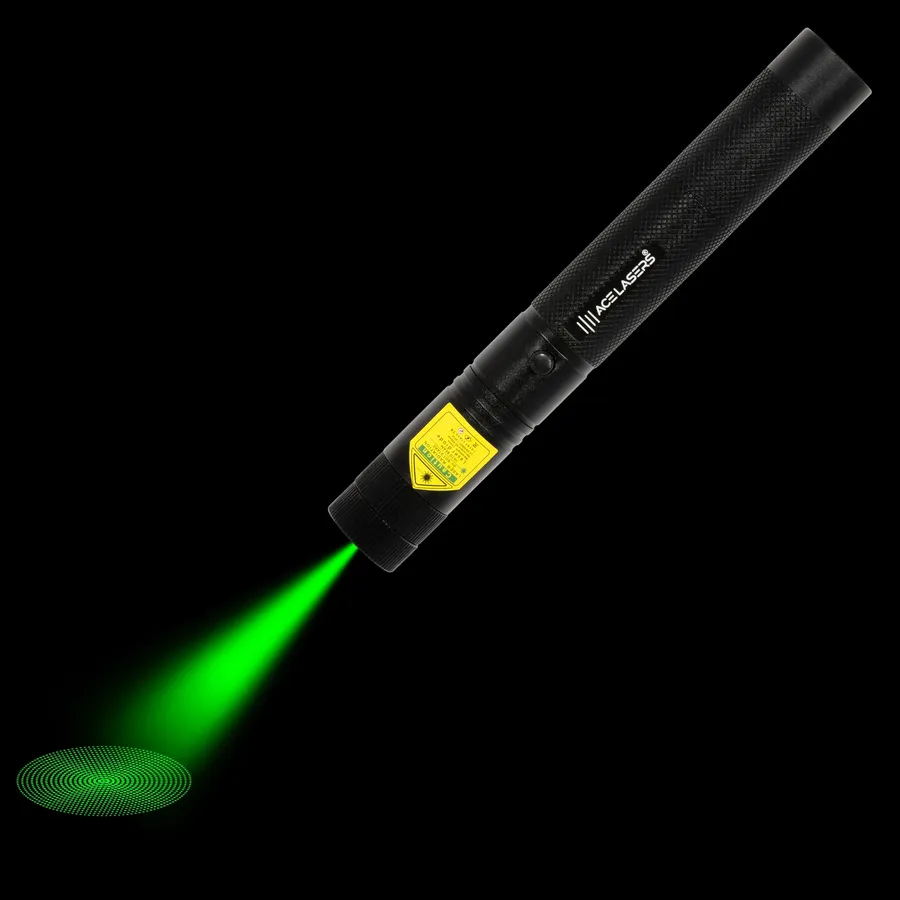
ACE AGP-1 Pro36× sold
ACE Lasers AGP-1 Pro Green Laser Pointer, Removable Pattern Lens
- Color
- 532 nm
- Output power
- 50–500 mW
- Battery
- 18650
€119.95€99.95
In stock
Crows in the winter barley, pigeons on the oilseed rape, starlings around the silage pit: a green laser bird scarer lets you deal with all of them without a single bang. The birds see a light sliding towards them, decide it is trouble and leave. Below you will find how it works, which ACE model suits your ground and the safety rules that go with it.
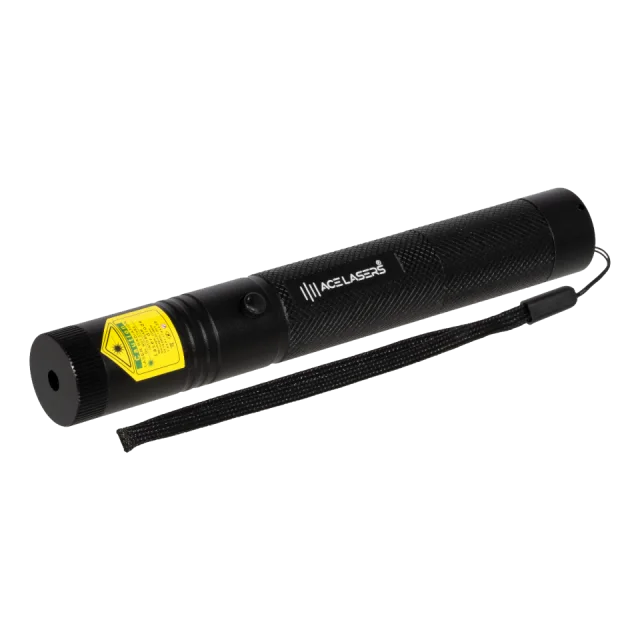
Our best-selling ACE laser: 532 nm green, 50–500 mW, on a rechargeable 18650.


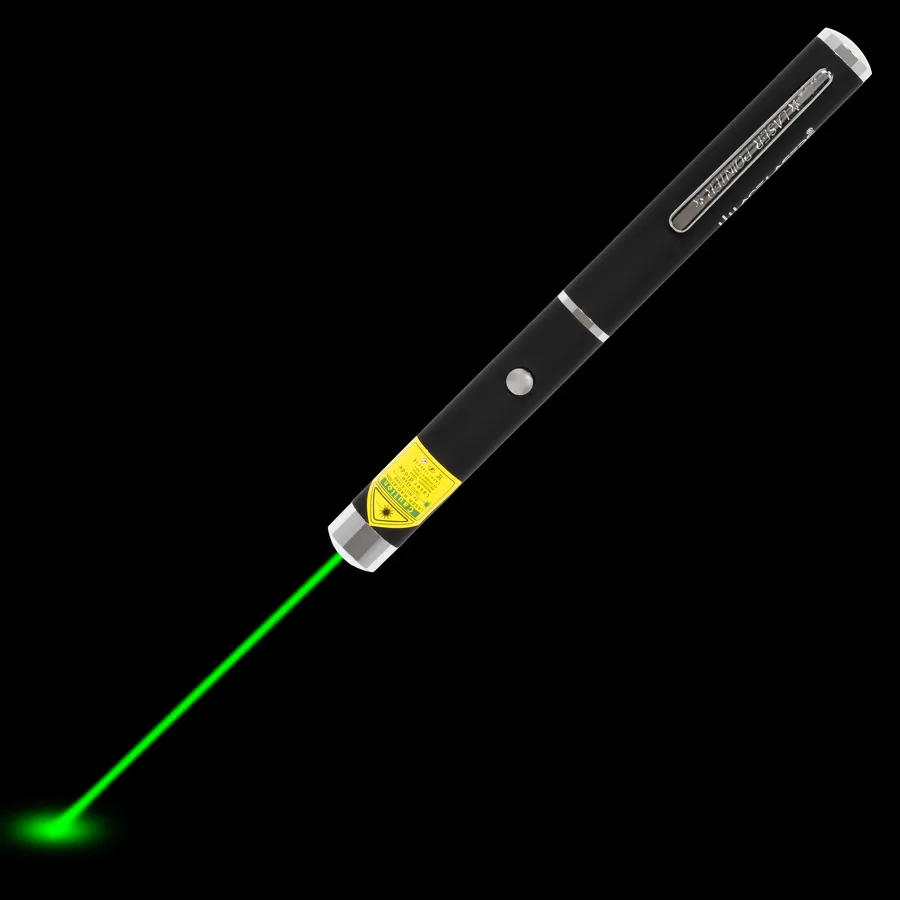


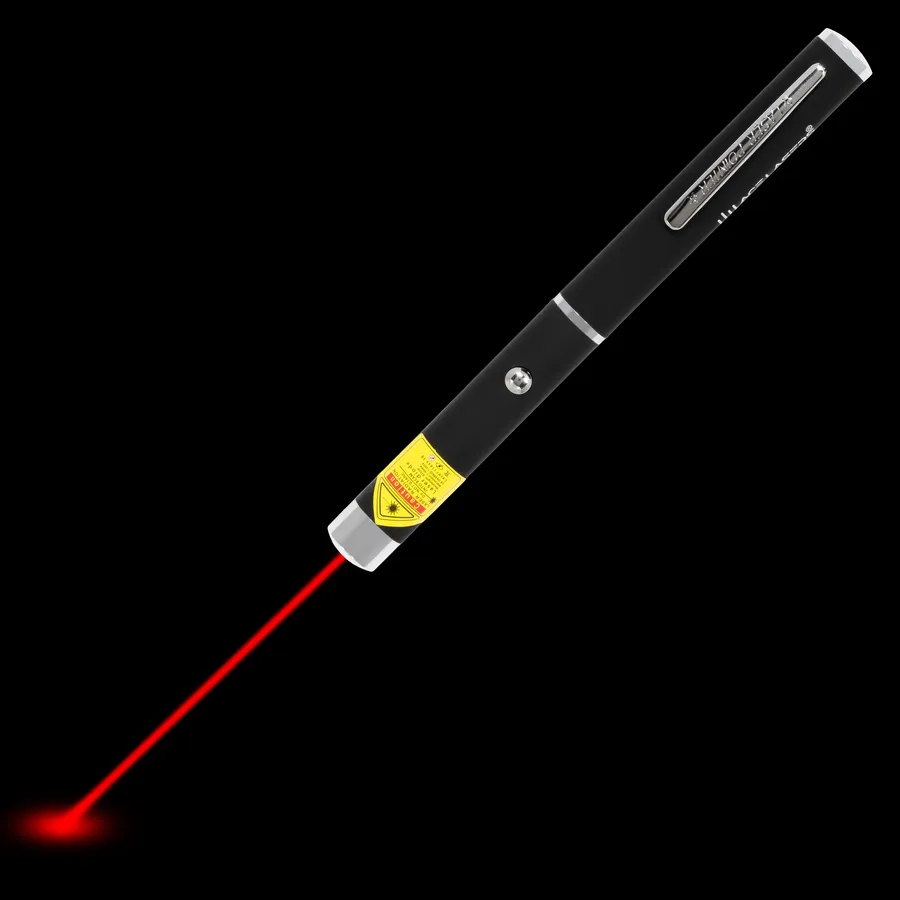


Green, red and violet class 3B pens in one box, all running on AAAs.

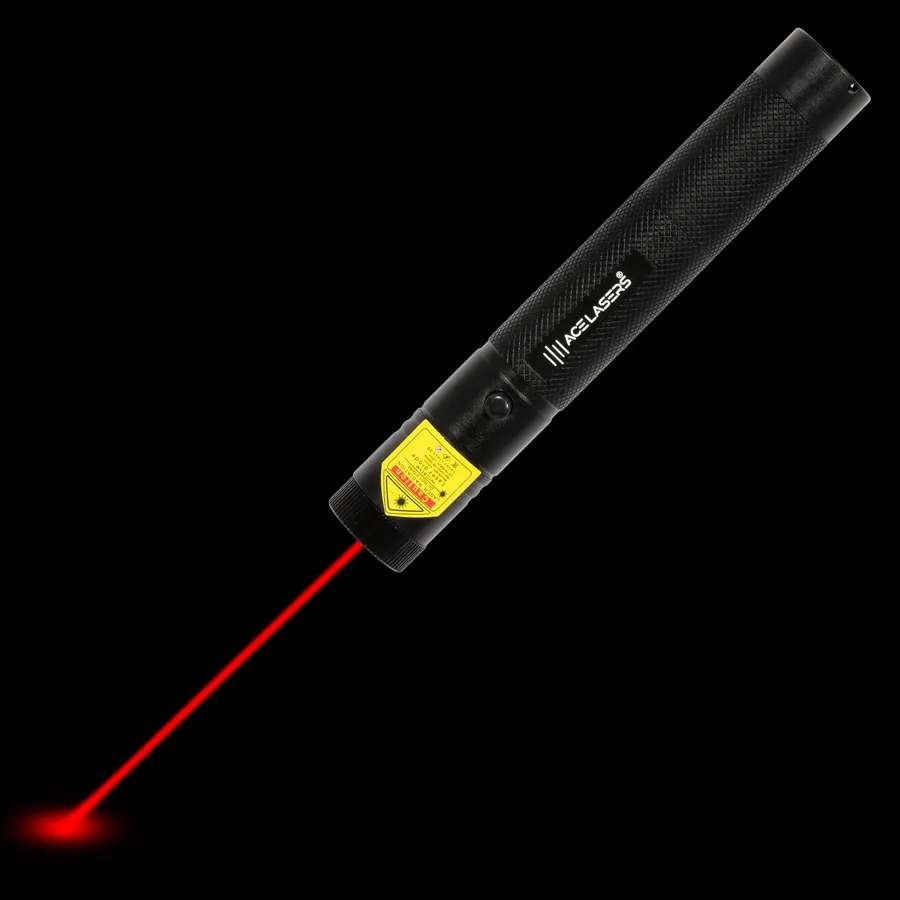


Green, red and violet Pro lasers, all rechargeable, in one order.
Birds are wired to flee from anything that seems to be closing in on them. A bright green spot gliding over the ground in their direction fits that description perfectly, so the flock takes off. Do it a few days running and many birds start giving the field a miss. Compared with a gas gun, which the whole townland can hear and which birds soon learn to ignore, the laser is silent: stock stay settled, the neighbours sleep on, and you choose exactly which flock gets moved. The effect is strongest in low light, at first light, last light and on the overcast days Ireland is famous for. Bright midday sun weakens it, and that is precisely when a Pro model's extra output pays for itself.
Thinking of using one on the edge of an airfield or a similar large site? Only with the operator's explicit permission and under their procedures, and never in any direction from which the beam could reach an aircraft.
Go green every time for birds: no other colour is visible as far for the same output, and the spot really stands out when the light is poor.
| AG-1 | AGP-3 Pro | |
|---|---|---|
| Output | 5–50 mW | 50–500 mW |
| Daylight | approx. 200 m | approx. 500 m (dot on objects) |
| Dusk | approx. 1 km | approx. 2 km |
| Power | 2 × AAA | 18650, rechargeable |
Planning the whole season? Our article on laser bird deterrents on Irish farms takes you month by month.
A class 3B beam can injure an eye instantly, and a reflection off a drain, a glasshouse, wet foliage or a galvanised shed roof is every bit as dangerous as the direct beam. Keep it away from people, vehicles, aircraft and the sky, and stop the moment someone comes into view. Wear 532 nm goggles, take out the key before you put the laser away and keep it from children. Many wild birds are protected, so find out what applies to the species and the season before you start, leave nesting birds alone, and ask permission if the land belongs to someone else. Keeping within Irish law is the buyer's responsibility. Read our laser safety guide and the laser safety glasses guide first.
Not the biscuit kind, just small files that make the shop easier to use and help us improve it. We never sell your data. You choose what you allow. Privacy policy
AI assistant: can make mistakes. Prefer a person? Just ask.